Introduction
When you think about transforming your home, the initial point that commonly enters your mind is landscape design or building. Yet, before any one of that can take place, there's a crucial action numerous homeowners forget: dirt work. Whether you're removing land for a brand-new develop, grading a driveway, or leveling out an uneven yard, recognizing dirt work basics is crucial to ensuring your tasks go smoothly.
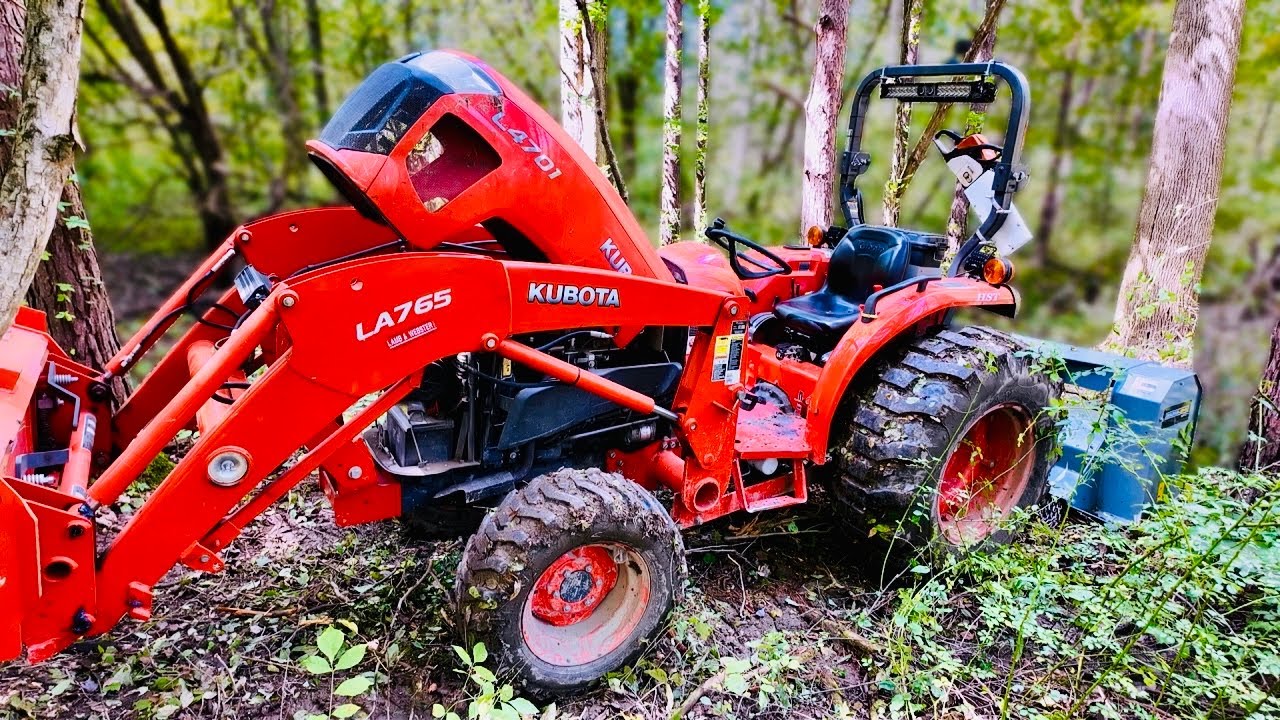
In this detailed overview, we will certainly look into all the facets of dirt work important for DIY property owners. From forestry mulching to grading, and the numerous tools like excavators and skid steers, we'll cover every little thing you need to recognize. So roll up your sleeves and allow's study the world of dust work!
Dirt Work Fundamentals for DIY Homeowners
Dirt work describes excavation and earth-moving tasks associated with construction, landscape design, and land management. For do it yourself homeowners looking to take matters right into their own hands, comprehending the principles of dirt work is not simply valuable; it's important for effective task completion.
Understanding Your Land
Before starting any kind of job, it's crucial to have a detailed understanding of your land's attributes:
- Topography: Is your land level or hilly? Soil Type: Clay? Sandy? Loamy? Each type behaves differently. Vegetation: Exist trees or hedges in the way?
This understanding will determine which strategies you'll utilize-- whether you require substantial land clearing or basic grading.
Key Tools for Dirt Work
Excavator
An excavator is one of one of the most flexible machines in dirt work. It can dig trenches, lift hefty materials, and even do some grading with the appropriate attachments.
Types of Excavators:- Mini Excavators Standard Excavators Long Get to Excavators
- Digging foundations Removing stumps Land clearing
Skid Steer
Another must-have piece of equipment is a skid steer loader-- small yet powerful sufficient for numerous tasks.
Versatility: Skid steers can be outfitted with various attachments like pails for relocating dirt or forks for lifting.
Common Uses:
- Grading driveways Bush having all to oneself thick areas Clearing debris post-construction
Land Clearing up Techniques
Forestry Mulching
Forestry mulching is an efficient approach for removing thick brush and trees without creating damages to https://jsbin.com/nemuhekime the landscape.
Benefits:- Minimal ground disturbance Quick elimination of unwanted vegetation
Bush Hogging
For bigger areas overrun with thick lawn or tiny shrubs, bush hogging is an effective choice.
What It Is: Bush hogging entails using a rotating mower placed on a tractor or skid steer to clear disordered fields.
Advantages: Keeping your property neat while preventing invasive species from taking root.
Grading Techniques
Grading describes leveling out locations of land to make sure correct drain and usability.
Why Grading Matters
Proper grading assists prevent water merging, which can bring about disintegration and various other problems down the line.
Identify Highs and Lows: Use stakes and string degrees as overviews when preparing your grading project.
Tools Required: A laser degree can help produce exact gradients required for reliable water drainage.
Conclusion of Dirt Work Fundamentals for DIY Homeowners
As a do it yourself house owner, investing time in learning more about dirt work essentials will repay considerably in your tasks' success rates. From recognizing different devices types like excavators and skid steers to understanding methods such as forestry mulching and grading, these abilities are basic in turning your vision right into reality.
FAQs About Dirt Work Fundamentals for DIY Homeowners
1. What equipment do I require for basic dirt work?
You'll generally need an excavator or skid steer depending upon your project's scale in addition to hand devices like shovels and rakes.
2. Exactly how do I choose in between working with experts versus doing it myself?
Consider variables such as task intricacy, time dedication, safety and security concerns, and your level of expertise when making this decision.
3. Is it necessary to get permits prior to starting land clearing?
Yes! Constantly check local guidelines relating to authorizations needed for land clearing or major excavation projects.
4. Can I rent devices instead of getting it?
Absolutely! Numerous equipment stores offer rental services for machinery such as excavators and skid steers suitable for short-term projects.
5. What must I do if I encounter underground utilities while digging?
Stop immediately! Get in touch with neighborhood energy companies so they can assist in noting lines before waging any kind of additional digging.
6. Just how vital is soil testing before beginning my project?
Soil testing offers important information regarding dirt composition which influences drainage strategies; hence it's vital prior to starting any groundwork.
In final thought, mastering "Dirt Work Fundamentals for do it yourself Homeowners" opens up limitless possibilities in residential or commercial property transformation-- providing you both complete satisfaction in addition to worth enhancement in all future endeavors!